
Shipping Containers: A Comprehensive Guide for UK Businesses
Shipping containers represent a cornerstone of global trade and logistics. Their robust construction and standardised dimensions facilitate the efficient transport of goods across vast distances, by sea, rail, and road. For UK businesses, understanding the capabilities and potential uses of these versatile steel boxes extends far beyond their primary function in shipping. Recognising their inherent strength and adaptability unlocks numerous opportunities for storage, workspace, and even innovative building solutions.
Originally designed to withstand the harshest marine environments and the rigours of intermodal transport, shipping containers offer exceptional durability and security. This makes them ideal for a wide range of static applications in the UK, from secure on-site storage for construction materials or retail stock to temporary or permanent structures for offices, workshops, or pop-up shops. Their mobility, even when static, provides a flexibility that traditional buildings often cannot match.
Navigating the world of shipping containers involves understanding various aspects, including their types, sizes, conditions, and potential modifications. This guide provides UK businesses with the essential information needed to make informed decisions when considering shipping containers for their specific requirements. We explore the different container options available, discuss crucial factors like structural integrity and condition, and touch upon regulatory considerations relevant to their use in the UK.
Understanding Shipping Container Types and Sizes
The shipping container industry primarily relies on standard ISO (International Organisation for Standardisation) containers. These containers adhere to strict specifications, ensuring compatibility with handling equipment and transport infrastructure worldwide. The most common types you will encounter are:
- Dry Van Containers: These are the most prevalent type, used for transporting general cargo. They are completely enclosed and weatherproof, offering excellent protection for goods. Standard sizes include 20ft and 40ft lengths, with standard height (8ft 6in) and high cube (9ft 6in) options.
- High Cube Containers: Offering an extra foot of vertical space compared to standard dry vans, high cubes are particularly useful for transporting taller cargo or for applications requiring more internal height, such as workshops or offices.
- Refrigerated Containers (Reefers): Equipped with refrigeration units, these containers maintain precise temperature control, essential for transporting perishable goods like food and pharmaceuticals. While primarily used for shipping, they can serve as temporary or permanent cold storage solutions.
- Open Top Containers: These containers have a removable roof, allowing for easy loading of oversized cargo from the top using cranes. They are suitable for items that cannot be easily loaded through the end doors.
- Flat Rack Containers: Featuring collapsible sides, flat racks are designed for transporting oversized or irregularly shaped cargo that cannot fit into enclosed containers.
While 20ft and 40ft containers are the industry standard, other less common sizes exist, such as 10ft containers, which are often cut down and fabricated from larger units. Selecting the appropriate size and type depends entirely on your specific business needs, whether it is the volume of goods requiring storage or the space needed for a functional workspace.
Assessing Container Condition and Grades
When acquiring a shipping container, understanding its condition is paramount. Containers are typically graded based on their age, structural integrity, and overall appearance. Common grades include:
- New (One Trip) Containers: These containers have typically made a single journey from their manufacturing origin (often in Asia) to a destination. They are in excellent condition with minimal wear and tear, offering the longest lifespan and best appearance.
- Used (Cargo Worthy - CW) Containers: These containers are certified as structurally sound and suitable for international shipping. They show signs of previous use, such as dents, scratches, and surface rust, but remain wind and watertight.
- Used (Wind and Water Tight - WWT) Containers: These containers are no longer certified for international shipping but are guaranteed to prevent wind and water ingress. They are ideal for static storage applications where cargo worthiness is not required. They will show significant signs of wear and tear.
- As Is Containers: These containers are sold without any guarantees regarding their condition. They may have structural issues or leaks and are generally only suitable for scrap or projects requiring significant repair.
For most UK business applications outside of international shipping, WWT containers offer a cost-effective and reliable solution for storage. One Trip containers provide the best aesthetic and longevity for projects like offices or retail units where appearance matters. Always inspect a container thoroughly or purchase from a reputable supplier who provides guarantees on condition.
Applications for UK Businesses
The versatility of shipping containers opens up a multitude of applications for UK businesses:
Secure Storage Solutions
Shipping containers provide robust, secure, and weather-resistant storage on-site. This is invaluable for businesses needing extra space for inventory, equipment, tools, or materials. They are particularly useful for construction sites, retail businesses with excess stock, agricultural enterprises, or any business requiring temporary or permanent secure storage without the need for off-site warehousing.
Temporary or Permanent Workspace
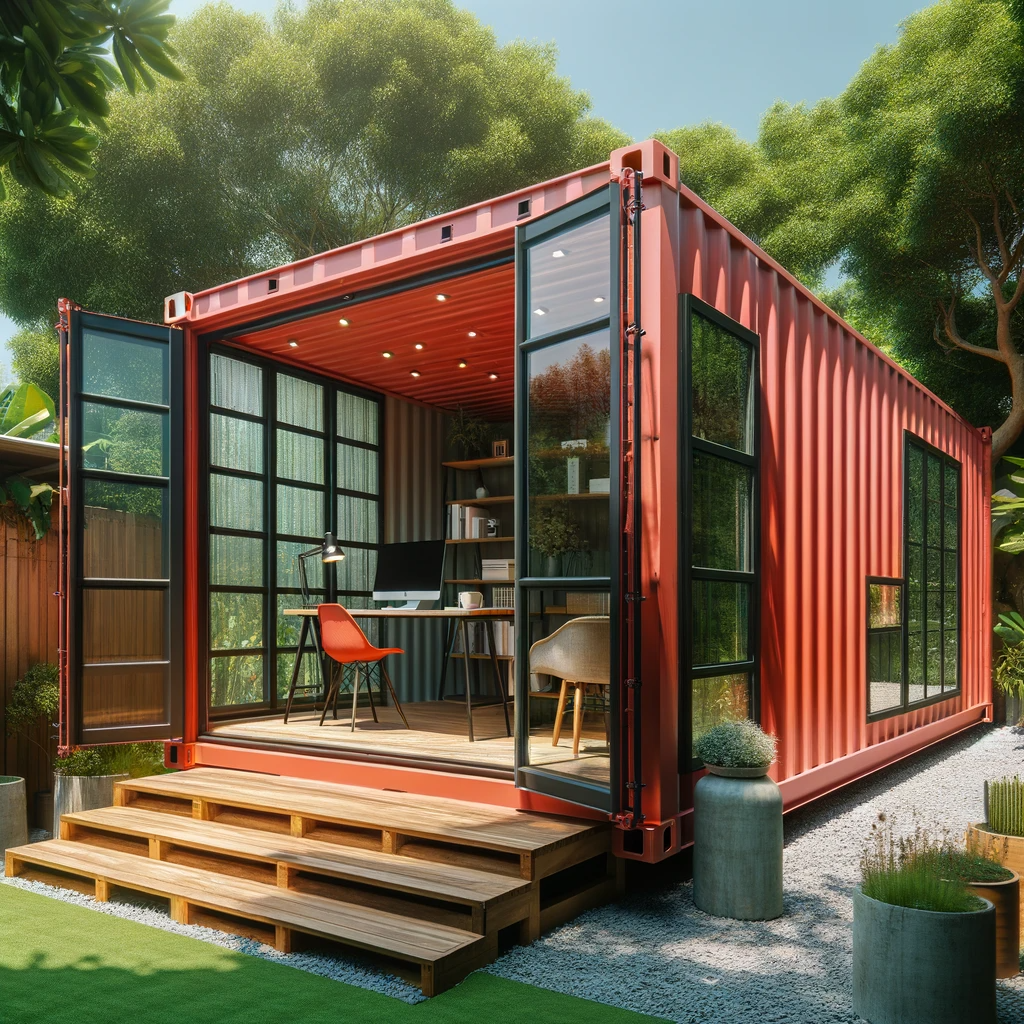
With appropriate modifications, shipping containers transform into functional and cost-effective workspaces. Businesses use them for site offices on construction projects, portable offices for events, workshops, studios, or even as extensions to existing premises. The ability to position a container office exactly where needed provides a significant advantage.
Explore the possibilities of bespoke container offices tailored to your business needs.
Retail and Hospitality Units
Modified containers create unique and eye-catching retail spaces, pop-up shops, cafes, or bars. Their inherent structure provides a solid foundation for creative designs and offers a distinct aesthetic that can attract customers.
Specialised Applications
Beyond common uses, containers are adapted for various specialised applications, including plant rooms, generator housings, training facilities, changing rooms, and even modular building components for larger structures.
Modifying Shipping Containers
While their basic form is highly functional, shipping containers lend themselves well to modifications to suit specific needs. Common modifications include:
- Installing doors and windows for access and natural light.
- Adding insulation and internal cladding for temperature control and a finished interior.
- Fitting electrical wiring and lighting.
- Installing flooring.
- Cutting and joining multiple containers to create larger spaces.
- Painting and external finishes for branding and aesthetics.
- Adding ventilation systems.
Professional container conversion companies possess the expertise and equipment to carry out these modifications safely and effectively, ensuring the structural integrity of the container is maintained.
Regulatory Considerations in the UK
Placing a shipping container on your property in the UK may require planning permission depending on its intended use, location, and how long it will be in place. While temporary placement for storage on commercial premises often does not require permission, using a container as a permanent structure or dwelling almost certainly will. Building regulations may also apply if you convert a container into a habitable space or workplace. Always consult with your local authority's planning department before undertaking a container project to ensure compliance.
Selecting a Supplier
Choosing a reputable supplier for your shipping container is crucial. Look for companies with a strong track record, transparent pricing, and the ability to provide containers in the condition you require. A good supplier offers delivery services and can advise on the best container type and size for your application. Acorn Containers has extensive experience providing high-quality shipping containers for sale and hire across the UK, offering expert advice and reliable service.
Frequently Asked Questions About Shipping Containers
What are the most common sizes of shipping containers?
The most common sizes are 20ft and 40ft in length. Both are typically 8ft wide, with standard height being 8ft 6 inches and high cube containers reaching 9ft 6 inches.
What does "Wind and Water Tight (WWT)" mean for a used container?
A WWT container is guaranteed to prevent wind and water from entering. It may have cosmetic imperfections like dents and surface rust but remains structurally sound for static storage applications.
Can I use a shipping container as an office in the UK?
Yes, shipping containers can be converted into functional offices. However, you may need planning permission and the conversion must meet building regulations, depending on the location and permanence of the office.
Do shipping containers require maintenance?
While very durable, periodic maintenance, such as inspecting for surface rust and touching up paint, helps extend the lifespan of a shipping container, especially in the UK climate.
How are shipping containers delivered?
Shipping containers are typically delivered using specialist vehicles, such as Hiab cranes or tilt-bed lorries, which can lift and position the container on your site.