Open Top Containers Swindon
Discover premium 20 & 40ft Open Top Shipping Containers in Swindon, ideal for waste management. Designed for heavy loads and effortless disposal. Contact Acorn Containers for details.

Discover premium 20 & 40ft Open Top Shipping Containers in Swindon, ideal for waste management. Designed for heavy loads and effortless disposal. Contact Acorn Containers for details.
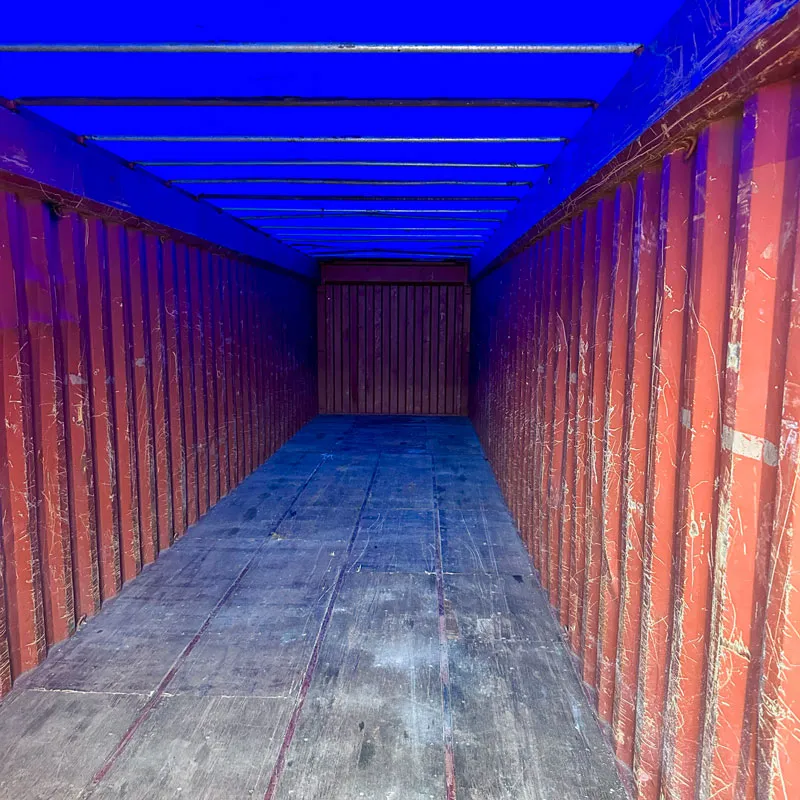
Shipping containers provide essential logistical solutions for businesses across the UK, offering secure and versatile options for storage and transportation. These robust steel structures form the backbone of global trade and increasingly serve diverse domestic applications, from on-site storage at construction sites to pop-up retail units. Swindon, with its strategic location and thriving business community, demonstrates a significant need for reliable container solutions. This article explores the various types of shipping containers available, their applications for businesses in Swindon, and the key considerations when selecting the right container for your needs.
The term 'shipping container' encompasses a range of designs, each tailored for specific cargo types and logistical requirements. Understanding the different types allows businesses to select the most efficient and cost-effective solution.


Each container type offers distinct advantages depending on the cargo and its intended use, whether for international shipping, domestic transport, or static storage.
Businesses in Swindon utilise shipping containers in numerous ways, extending far beyond simple cargo transport. Their inherent durability and mobility make them versatile assets.
Construction sites frequently require secure, weather-resistant storage for materials, tools, and equipment. Standard dry containers provide an ideal solution, preventing theft and protecting items from the elements. Construction sites in Swindon benefit significantly from this readily deployable storage.
Farming businesses use containers for storing feed, machinery, and other agricultural supplies. The robust nature of the container ensures protection from pests and harsh weather, crucial for maintaining the quality of stored goods. See solutions for Farming in Swindon.
Containers are easily converted into temporary offices, workshops, pop-up shops, or event spaces. Their modular nature allows for flexible configurations. Local councils and educational institutions frequently use them for temporary classrooms, storage, or community projects. Explore options for Local Council projects in Swindon and Educational Centres of Learning in Swindon.
Self-storage businesses rely heavily on containers to provide secure, individual storage units for customers. This model offers flexibility and scalability. Find out more about solutions for Self Storage Businesses in Swindon.
Community sports clubs use containers for storing equipment, setting up changing rooms, or even creating small clubhouses. Their durability makes them suitable for exposed locations. Read about applications for Community Sports Clubs in Swindon.
Organisations like the NHS may use containers for temporary clinics, testing centres, or secure storage of medical supplies, demonstrating their adaptability for critical infrastructure. Learn about uses for the NHS in Swindon.
Selecting the appropriate shipping container involves evaluating several factors to ensure it meets specific business requirements.
Careful consideration of these points ensures the selected container provides a safe, efficient, and cost-effective solution for your business operations in Swindon.
Incorporating shipping containers into business operations offers numerous advantages:
These benefits contribute to increased operational efficiency and flexibility for businesses across various sectors in Swindon.
Businesses in Swindon have the option to either purchase or hire shipping containers, each offering distinct advantages depending on the duration and nature of the requirement.
Buying a container represents a long-term investment. It is suitable for businesses requiring permanent storage solutions, planning extensive modifications, or intending to use the container for a significant period. Ownership provides complete control over the container and avoids ongoing rental costs. The initial outlay is higher, but it can prove more economical over several years. Businesses can choose between new (one-trip) and used (cargo-worthy) containers based on budget and desired lifespan.
Hiring offers flexibility and is ideal for short-term projects, seasonal needs, or when capital expenditure needs to be minimised. Rental periods can range from a few weeks to several months or even years, with the provider handling maintenance and eventual collection. This option avoids the upfront cost of purchase and is often preferred for temporary storage at event sites, construction projects, or during business transitions. Hiring allows businesses to access the required container type and size without the commitment of ownership.
The decision between buying and hiring depends on the business's specific needs, budget, and the anticipated duration of container use. Many providers in Swindon offer both options, allowing businesses to choose the most suitable arrangement.
The most common standard sizes are 20ft and 40ft in length. Other sizes like 10ft, 30ft, and various heights (like high-cube containers which are approximately 9.5ft tall instead of the standard 8.5ft) are also available.
Yes, standard shipping containers are designed to be wind and water tight (WWT) to protect cargo during sea transport. This makes them excellent for secure, weather-resistant storage.
Absolutely. Shipping containers can be extensively modified for various uses, including adding doors, windows, insulation, electrical systems, plumbing, and creating custom internal layouts.
A CSC (Container Safety Convention) plate is a metal plate affixed to a shipping container certifying that it has been inspected and meets international safety standards for structural integrity and is safe for international transport. It requires periodic re-inspection.
Shipping containers are typically delivered using a truck equipped with a crane (Hiab vehicle) or a tilt-bed trailer. The delivery method depends on site access and whether a crane is needed for placement.
With proper maintenance, a shipping container used for storage can last for many years, often decades. Containers used for international shipping have a more rigorous life cycle, but are still built for durability.
Planning permission requirements vary depending on your local council, the proposed use of the container, and its location (e.g., within the curtilage of a building, on agricultural land). It is advisable to check with Swindon Borough Council planning department for specific guidance.
'New' or 'one-trip' containers have typically made a single journey from the manufacturing location carrying cargo. They are in excellent condition with minimal wear. 'Used' containers have been part of the shipping fleet for several years. They show signs of use but are certified as cargo worthy (structurally sound and wind/water tight) or are sold 'as is' for storage purposes.