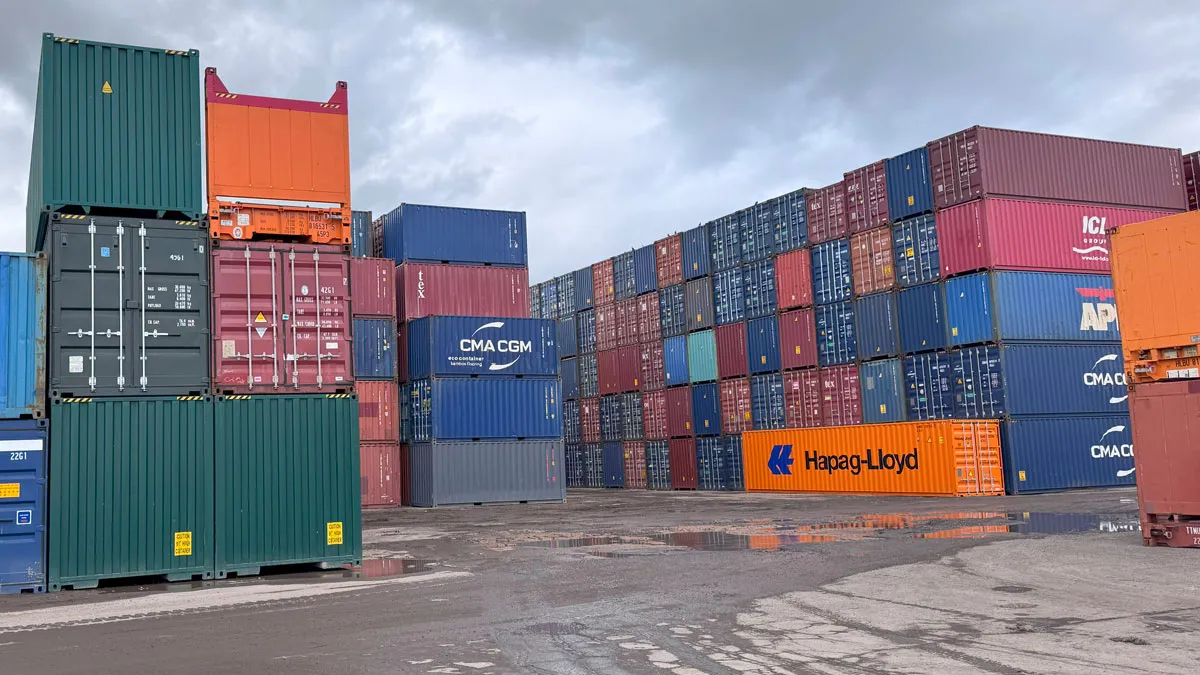
Shipping Containers: A Comprehensive Guide for UK Businesses
Understanding Shipping Containers
Shipping containers form the backbone of global trade, facilitating the efficient movement of goods across vast distances by sea, rail, and road. Constructed from robust Corten steel, these standardised units provide secure, weatherproof storage and transport solutions. Businesses across the UK rely on shipping containers for a multitude of purposes, extending far beyond international freight. From secure on-site storage and temporary workshops to innovative retail spaces and welfare units, the versatility of a shipping container makes it an invaluable asset.
Their inherent durability and modular design mean they offer flexible, cost-effective solutions compared to traditional building methods. Understanding the different types, sizes, and conditions available allows businesses to select the ideal container to meet their specific operational needs.
Types of Shipping Containers
The shipping container industry offers a diverse range of units, each designed for particular applications. Selecting the right type ensures goods remain protected and operations run smoothly.
- Standard Dry Van Containers: The most common type, used for transporting general cargo that does not require temperature control. Available in various lengths, typically 20ft and 40ft.
- Refrigerated Containers (Reefers): Equipped with a refrigeration unit to maintain precise temperatures, essential for transporting perishable goods like food, pharmaceuticals, and chemicals.
- Open-Top Containers: Feature a removable tarpaulin roof instead of a solid one, allowing for easy loading and unloading of oversized cargo from the top using a crane.
- Flat Rack Containers: Lack side walls and sometimes end walls, used for transporting heavy or bulky items that do not fit within the dimensions of standard containers.
- Tank Containers: Specifically designed to transport liquids, gases, and powders in bulk. A tank is held within a standard external frame.
- High Cube Containers: Similar to standard dry van containers but taller, providing extra cubic capacity for light, voluminous cargo.
Standard Container Sizes
Industry standardisation dictates common container sizes, ensuring compatibility across global transport networks. The most prevalent sizes are:
- 20ft Containers: Approximately 20 feet long, 8 feet wide, and 8 feet 6 inches high. Ideal for smaller volumes of cargo or where space is limited. Often used for on-site storage at commercial premises or construction sites.
- 40ft Containers: Approximately 40 feet long, 8 feet wide, and 8 feet 6 inches high. Double the length of a 20ft unit, providing significantly more capacity for larger shipments or extensive storage requirements.
- 40ft High Cube Containers: Approximately 40 feet long, 8 feet wide, and 9 feet 6 inches high. The extra foot in height makes them suitable for cargo with greater volume but not excessive weight.
Other less common sizes exist, including 10ft and 45ft units, catering to niche requirements.
Condition: New vs. Used Containers
When acquiring a shipping container, businesses must consider the condition that best suits their budget and intended use.
- New (One-Trip) Containers: These containers have typically made one journey from their manufacturing origin (usually Asia) with cargo. They are in excellent condition, exhibiting minimal wear and tear. They are ideal for modifications, long-term storage of sensitive goods, or applications where appearance is important. They offer the longest potential lifespan.
- Used (Wind and Watertight) Containers: These containers have been in active shipping service for several years. They show cosmetic signs of use (dents, surface rust) but are guaranteed to be structurally sound, windproof, and watertight. They represent a cost-effective option for secure storage where appearance is less critical.
- Used (Cargo Worthy) Containers: These containers meet specific structural criteria allowing them to be certified for international shipping again. They are in better condition than standard wind and watertight units but may still exhibit cosmetic imperfections.
Acorn Containers provides detailed condition reports for all units, ensuring transparency regarding the container's history and suitability for its intended purpose.
Applications for UK Businesses
Shipping containers offer remarkable adaptability, providing solutions across numerous business sectors in the UK:
- On-Site Storage: Provide secure, weatherproof storage for equipment, tools, materials, and stock directly at business premises or temporary sites like construction projects (construction sites).
- Retail and Pop-Up Shops: Can be quickly converted into unique retail spaces, cafes, or exhibition stands, offering flexibility for temporary or permanent locations.
- Workshops and Studios: Offer a durable and secure structure for creating dedicated workshop areas for manufacturing, repairs, or creative pursuits.
- Office Space: Converting containers provides cost-effective, mobile office solutions for sites lacking permanent structures or requiring temporary administrative space.
- Agricultural Storage: Ideal for storing feed, machinery, or produce on farms (farming), offering protection from the elements and pests.
- Sports and Community Facilities: Used for storing sports equipment (community sports clubs), creating changing rooms, or providing secure club house facilities.
- Educational and Healthcare: Offer temporary classroom space (educational centres), secure equipment storage for hospitals (NHS), or testing facilities.
- Self-Storage: Businesses operating self-storage facilities (self-storage businesses) frequently use containers due to their security and individual unit structure.
Container Modifications and Conversions
While standard containers serve many purposes, modifications unlock their full potential. Acorn Containers specialises in converting standard units into bespoke solutions tailored to specific business requirements.
Common modifications include:
- Installing personnel doors and windows for access and natural light.
- Fitting insulation and internal lining for temperature control and a finished interior.
- Adding electrical wiring, lighting, and heating for functional workspaces.
- Incorporating ventilation systems.
- Installing shelving, workbenches, or partition walls to optimise internal space.
- Applying external painting and branding for aesthetics and corporate identity.
- Reinforcing security features like lock boxes and heavy-duty locking mechanisms.
These conversions transform a basic steel box into a functional, comfortable, and secure environment suitable for a wide range of commercial uses.
Delivery and Siting Considerations
Getting your container delivered and placed correctly is crucial. Most deliveries utilise HIAB (Hook Loader) vehicles (HIAB delivery) equipped with a crane to lift and position the container precisely.
Key delivery considerations include:
- Site Access: Ensure the delivery vehicle has clear, unobstructed access to the drop-off point. Consider the width and height of the vehicle, potential turning circles, and any weight restrictions on roads or bridges.
- Level Ground: The intended placement area must be relatively level and capable of supporting the container's weight. Using paving slabs, concrete blocks, or railway sleepers at the corners provides a stable base and allows air circulation underneath, preventing damp.
- Overhead Obstructions: Check for overhead cables, tree branches, or buildings that could obstruct the crane during the lifting process.
- Required Space: The HIAB vehicle needs space to manoeuvre and operate its crane arm safely. Discuss the specific requirements with your supplier.
Proper site preparation ensures a smooth and safe delivery process.
Buying vs. Hiring Shipping Containers
Businesses can choose to either purchase or rent shipping containers, depending on the duration and nature of their need.
- Buying: Ideal for long-term storage or permanent installations. Purchasing offers full ownership, allowing for modifications and guaranteeing availability whenever required. It is typically more cost-effective for periods exceeding 12-18 months.
- Hiring: Suitable for short-term projects, seasonal needs, or temporary storage requirements. Hiring provides flexibility and avoids the upfront capital outlay of purchasing. Maintenance and repairs are usually covered by the hire agreement.
Evaluate the expected duration of use, budget constraints, and flexibility requirements to determine the most suitable option for your business.
Frequently Asked Questions About Shipping Containers
What is a shipping container made of?
Shipping containers are primarily constructed from Corten steel, also known as weathering steel. This alloy contains elements like copper, chromium, and nickel, which cause it to develop a protective layer of rust when exposed to the elements. This layer inhibits further corrosion, making Corten steel highly durable and resistant to harsh marine environments.
Are shipping containers waterproof?
Yes, standard shipping containers are designed to be wind and watertight. Their construction, including robust door seals and continuous welding, prevents moisture ingress, protecting the contents from rain, snow, and humidity during transit and storage.
How long do shipping containers last?
With proper maintenance, a shipping container can last for many decades. Containers used for international shipping typically have a service life of 10-15 years before being retired from marine transport. However, when used for static storage or converted for other purposes, they can easily last 25 years or more, particularly new or well-maintained used units.
Can I legally place a shipping container on my property?
Placing a shipping container on private land for storage is generally permissible under permitted development rights, as they are often considered temporary structures. However, rules vary depending on your specific location, whether the property is commercial or residential, and if the container is permanently fixed or used as part of a business operation. Always check with your local planning authority (local council) for definitive guidance, especially for long-term placement or modifications that alter its appearance or function significantly.
How much weight can a shipping container hold?
The maximum payload capacity varies depending on the container size and type. A standard 20ft dry container can typically hold around 28,000 kg (approximately 28 tonnes) of cargo, while a 40ft container can hold around 26,000 kg (approximately 26 tonnes). The container itself also has a tare weight (empty weight), which is subtracted from the maximum gross weight to determine the payload. Always refer to the container's CSC plate for exact weight specifications.
Do shipping containers require maintenance?
While highly durable, shipping containers benefit from basic maintenance to maximise their lifespan. This includes inspecting and maintaining door hinges and locking gear, checking door seals for damage, and addressing any areas of surface rust promptly with appropriate rust treatment and paint. Keeping the base clear to allow airflow also helps prevent issues.