Cargo Containers for sale & hire in West Yorkshire
Looking for top-quality export containers in West Yorkshire? Acorn Containers offers rental and purchase options, guaranteed to be secure and waterproof. Conta

Looking for top-quality export containers in West Yorkshire? Acorn Containers offers rental and purchase options, guaranteed to be secure and waterproof. Conta
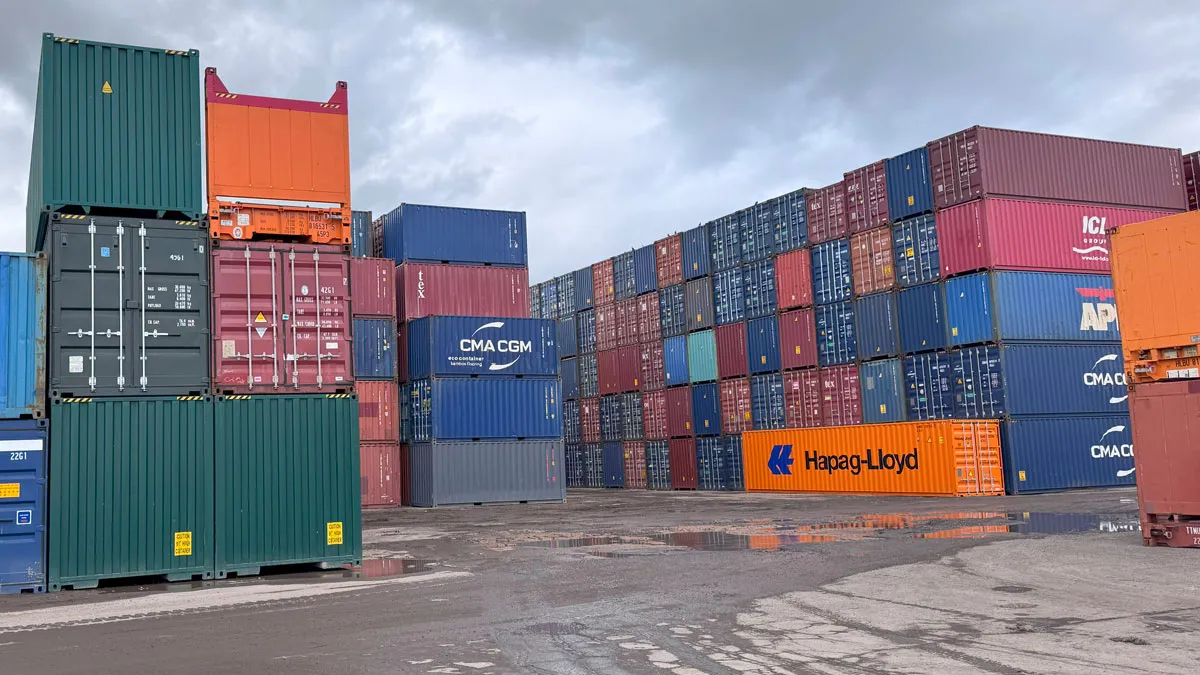
Shipping containers, often referred to as cargo containers or ISO containers, represent a fundamental element of global trade and logistics. Designed for the efficient transport of goods by sea, rail, and road, these robust, standardised steel boxes have revolutionised supply chains worldwide. Businesses across numerous sectors increasingly utilise shipping containers not only for their primary purpose of transport but also for a diverse range of static applications, including storage, workshops, offices, and even retail spaces.
Understanding the various types, sizes, conditions, and potential modifications of shipping containers is crucial for businesses seeking cost-effective and versatile solutions. Whether your requirement involves transporting goods across international borders, securing on-site storage, or creating a bespoke workspace, a thorough knowledge of available options ensures you select the optimal container for your specific needs.
The standardisation of shipping containers is governed by the International Organization for Standardization (ISO), ensuring compatibility with handling equipment and transport systems globally. While numerous specialised variations exist, the most common types serve as the backbone of containerised transport and static applications.
While 20ft and 40ft containers are standard, other lengths exist, including 10ft and 45ft High Cube containers. High Cube containers offer an additional foot of vertical space, providing greater volume capacity without increasing the footprint, a significant advantage for businesses requiring maximum storage or transport capacity.
Adherence to ISO standards ensures consistency in container dimensions, facilitating seamless intermodal transport. Understanding these dimensions is vital for planning logistics, assessing site suitability, and calculating storage capacity.
Common external dimensions:
Internal dimensions are slightly smaller due to the container's structure. Maximum payload weights vary depending on the container type and size, but standard containers can typically carry tens of thousands of kilograms, offering substantial capacity for commercial goods or storage items.
Shipping containers are available in various conditions, reflecting their age, usage history, and overall state of repair. The condition significantly impacts the price and suitability for different applications. Businesses should carefully assess their requirements to choose the most appropriate condition.
Acorn Containers ensures all containers, regardless of condition, meet stringent quality checks to guarantee they are fit for purpose, providing businesses with reliable and secure options.
Beyond their primary role in logistics, shipping containers offer incredible versatility for businesses across numerous sectors.
The adaptability of shipping containers, combined with their inherent strength and security, makes them a compelling option for businesses seeking flexible and robust solutions.
One of the significant advantages of using shipping containers is their potential for modification. Containers provide a strong structural shell that can be adapted to meet specific business requirements.
Common modifications include:
Acorn Containers offers expert modification services, transforming standard containers into bespoke solutions tailored to individual business needs, ensuring functionality, security, and compliance with relevant regulations.
Businesses can acquire shipping containers through purchase or rental. The decision depends on the intended duration of use, budget constraints, and flexibility requirements.
Acorn Containers provides flexible purchase and rental options, advising businesses on the most economical and practical solution based on their specific circumstances.
Shipping containers provide inherent security due to their robust steel construction. However, enhancing security measures is advisable, particularly when storing valuable goods or using containers as workspaces.
Recommended security measures include:
While shipping containers are durable, regular maintenance extends their lifespan and ensures continued functionality.
Key maintenance aspects:
Acorn Containers ensures all containers supplied are in excellent condition and provides guidance on maintaining their longevity and security.
Transporting and positioning shipping containers requires specialised equipment and expertise. Businesses must consider site accessibility and ground conditions before delivery.
Acorn Containers manages all aspects of delivery, coordinating logistics and using experienced operators to ensure containers are safely transported and precisely sited according to business requirements.
Utilising used shipping containers offers environmental benefits by repurposing existing resources. This reduces the need for new construction materials and minimises waste. The inherent durability and long lifespan of steel containers also contribute to sustainability. Businesses can further enhance the environmental credentials of container usage by incorporating sustainable modifications such as solar panels, rainwater harvesting systems, and energy-efficient insulation.
A well-maintained shipping container can last for many decades. Their robust steel construction means they are built to withstand harsh marine environments, making them exceptionally durable for static use on land. Regular inspections and addressing any surface rust will significantly extend their operational life.
Standard shipping containers are not insulated. They are essentially single-skin steel boxes. For applications requiring temperature control or condensation prevention, such as offices, workshops, or sensitive storage, insulation and internal lining must be added as a modification.
Yes, you can move a shipping container after initial placement. This requires specialised lifting equipment, typically a crane or large forklift, depending on the container size and site conditions. It is not something achievable manually or with standard lifting gear.
While a concrete base provides the most stable and durable foundation, it is not always strictly necessary. Containers require a firm, level surface to prevent settling. Suitable alternatives can include compacted hardcore, asphalt, or strategically placed concrete blocks or railway sleepers to support the corner posts. The critical factor is ensuring the container is level and the weight is evenly distributed.
Shipping containers are inherently very secure due to their steel construction and strong door locking bars. They are designed to protect valuable cargo during international transit. Adding a high-security padlock and a lock box (a steel shroud that protects the padlock from bolt cutters) significantly enhances their security, making them a highly secure storage solution.
'New' or 'One Trip' containers have made a single journey from the factory, usually loaded with cargo. They are in excellent condition with minimal cosmetic wear. 'Used' containers have been in service for several years within the shipping industry. They will show visible signs of use like dents, scratches, and surface rust but are still structurally sound and watertight (often certified as Cargo Worthy or Wind and Water Tight), offering a more budget-friendly option for storage.
Delivery times depend on container availability and transport scheduling. Once an order is confirmed and payment is processed, Acorn Containers strives to arrange delivery as promptly as possible, typically within a week, subject to location and specific requirements.