Self Storage Businesses Scunthorpe
Acorn offers premium shipping containers in Scunthorpe for individuals aiming to establish a self-storage business. Discover our reliable solutions tailored to your needs.

Acorn offers premium shipping containers in Scunthorpe for individuals aiming to establish a self-storage business. Discover our reliable solutions tailored to your needs.
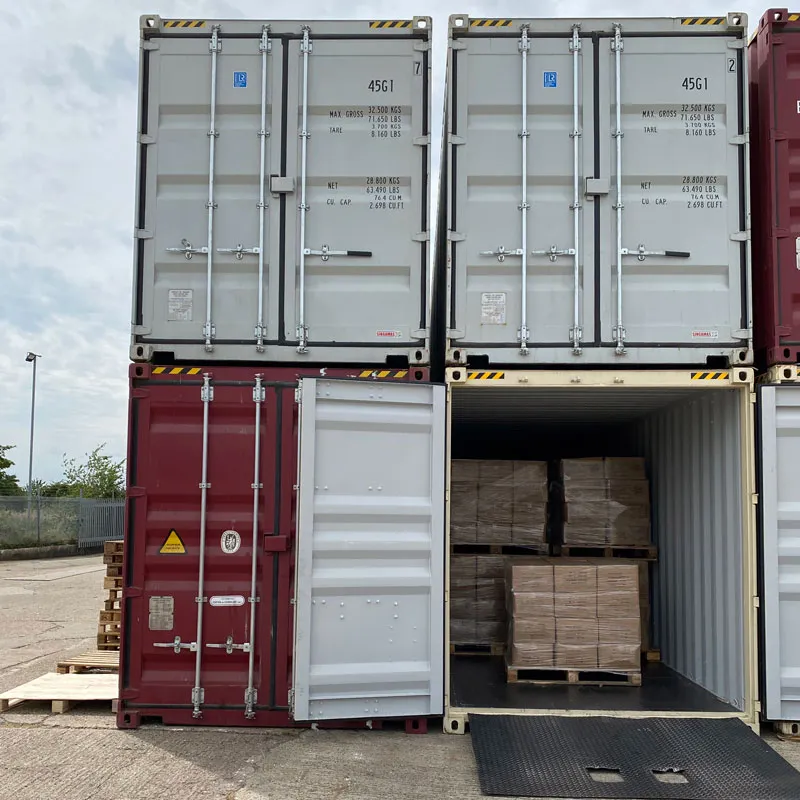
Businesses across the UK require versatile, secure, and cost-effective storage and operational solutions. Shipping containers, originally designed for global cargo transport, offer a remarkably adaptable and robust answer to a multitude of commercial needs. Acorn Containers specialises in providing high-quality shipping containers for sale and hire, tailoring units to meet the specific requirements of UK businesses, from additional storage space to highly modified operational units. Understanding the potential and practicalities of shipping containers empowers companies to leverage their inherent strengths for enhanced efficiency and security.
Shipping containers are large, standardised metal boxes built to withstand the rigours of international shipping. They adhere to ISO (International Organization for Standardization) standards, ensuring compatibility with transport systems worldwide. Their construction typically involves corrugated steel panels, a sturdy steel frame, and marine-grade plywood flooring. This robust design makes them exceptionally durable, windproof, and watertight, ideal characteristics for various business applications beyond their original purpose.
While their primary function remains freight transport, shipping containers have found extensive use across numerous business sectors due to their inherent strength and adaptability. Their modular nature allows for easy transport, placement, and even stacking, providing flexible solutions for temporary or permanent needs.
One of the most common business applications is secure storage. Containers offer excellent on-site storage for equipment, inventory, materials, or documents. Their steel construction and secure locking mechanisms provide significant protection against theft and environmental damage. Businesses use them for everything from storing excess stock and tools on construction sites to keeping archived records secure.
Modified containers serve effectively as temporary offices, site huts, or workshops. Insulating, lining, adding windows, doors, and connecting power transforms a basic container into a functional workspace. This proves invaluable on construction sites, event locations, or during business expansion or renovation.
Containers provide a trendy and cost-effective option for pop-up shops, cafes, bars, or exhibition stands. Their portability allows placement in various locations, and modifications create attractive and functional customer-facing spaces. Businesses appreciate the relatively low setup costs compared to traditional brick-and-mortar premises.
Containers undergo extensive modifications to serve specialised functions. This includes refrigerated containers (reefers) for storing temperature-sensitive goods, open-top containers for oversized cargo, or flat-rack containers for heavy or wide items. Businesses in sectors like food, pharmaceuticals, or manufacturing utilise these specialised units.
Shipping containers offer several compelling advantages that make them a smart investment for UK businesses.
Built from high-strength steel, containers resist harsh weather conditions and provide formidable security. Standard features include robust locking bars and the option to fit additional high-security locking systems. This protects valuable assets stored within.
Compared to constructing traditional buildings or renting commercial storage space, purchasing or hiring shipping containers often presents a more economical solution, particularly for temporary or flexible requirements. Maintenance needs are also generally low.
Containers are designed for easy transport by road, rail, or sea. Businesses move them between sites as needed, and their modular nature allows for easy scaling of storage or workspace by adding more units.
Once a container arrives on site, it is typically ready for use immediately for basic storage. Modified units require installation and fitting out, but this process is often much faster than traditional construction projects.
Repurposing used shipping containers gives them a new life, diverting them from scrap and reducing the need for new raw materials. This aligns with increasing business focus on sustainable practices.
Selecting the appropriate container depends entirely on the business's specific needs. Key factors include size, condition (new or used), and whether modifications are required.
The most common sizes are 20ft and 40ft lengths, both typically 8ft wide and 8.5ft high. 'High cube' containers offer an extra foot of height (9.5ft), providing more vertical storage space. Businesses should assess their volume and size requirements carefully.
Acorn Containers offers both 20ft containers and 40ft containers, including high cube options.
New (often termed 'one-trip') containers have made a single journey from their manufacturing origin. They are in excellent condition, ideal for modifications or long-term use where appearance matters. Used containers are more budget-friendly and perfectly suitable for basic storage needs, though they will show signs of wear and tear. When purchasing a used container, checking its condition and CSC plate validity (for transport) is important.
Consider what modifications or accessories enhance functionality. This includes adding windows, personnel doors, insulation, electrical points, lighting, shelving, or specific security features. Open top containers or flat racks suit oversized cargo, while refrigerated containers maintain specific temperatures.
Once a container is selected, planning for delivery and placement is crucial. Containers are heavy and require specialist handling.
Containers are typically delivered by lorries equipped with a HIAB crane (Hook Arm Improved Area of Boom) or on flatbed trailers requiring separate lifting equipment on site. HIAB delivery lifts the container off the lorry and places it in the desired location, provided there is sufficient access and space.
Ensure clear, unrestricted access for a large lorry to the delivery point. The ground where the container will sit must be level and firm to support its weight and prevent twisting of the frame, which can affect door operation. Concrete pads, railway sleepers, or paving slabs at the corner points provide a suitable base.
Businesses in various sectors benefit from container solutions:
Yes, shipping containers are designed to be windproof and watertight to protect cargo during sea transport. This makes them excellent for secure, dry storage.
Planning permission requirements vary depending on location, duration of placement, and intended use. Placing a container within the curtilage of an existing business property for temporary storage might not require permission, but placing one as a permanent structure or outside existing boundaries likely will. Always check with your local authority.
Absolutely. Insulating containers is a common modification, especially when using them as offices or workshops, to regulate internal temperature and prevent condensation.
With proper maintenance, a shipping container can last for many decades, even in demanding environments. Their steel structure is highly durable.
Delivery typically uses a lorry with a HIAB crane for offloading or a flatbed lorry requiring separate lifting equipment on site. Ensure sufficient access and a level, firm surface at the delivery point.