
Secure Storage Schools Bradford
Schools in Bradford often need secure, weather resistant storage that can be placed close to buildings, playgrounds, sports areas, or maintenance yards without taking up teaching space. A container gives a lockable external store for exam papers, PE kit, cleaning stock, archive boxes, stage equipment, IT peripherals, tools, and furniture during refits. It also helps schools keep valuable items away from shared corridors and temporary classrooms.
Local site conditions matter. Many Bradford schools sit on tight urban plots, shared access roads, or car parks with limited turning room. Others are on larger sites near industrial areas or along routes such as the M606 corridor where access may be easier, but scheduling still needs to avoid pupil drop-off, collection, and staff arrival times. The right container is not just about storage volume. It is about how the unit will arrive, where it will sit, and how staff will use it every day.
Acorn Containers can help with both container hire in Bradford and container sales in Bradford, depending on whether the storage need is short-term or permanent.
Choosing the right size and container type
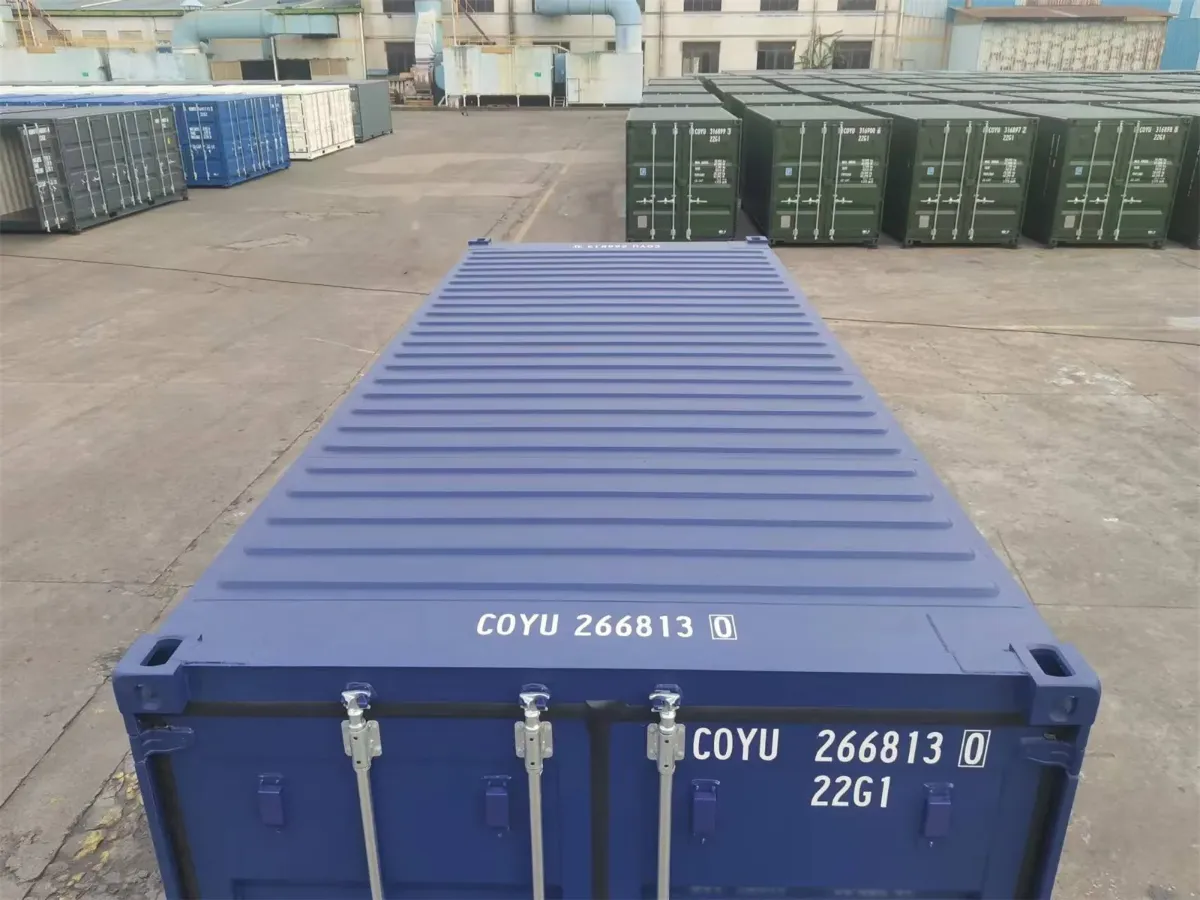
For most school storage jobs, a standard dry container is the starting point. It is the normal steel box used for secure, weather protected storage. For schools, the choice usually comes down to 10ft, 20ft, or 40ft. The external size matters because it determines whether the unit will fit through gates, along paths, and onto the hardstanding without blocking fire routes or delivery bays.
- 10ft container - about 2.99 m long, 2.44 m wide, and 2.59 m high. Useful for small schools, tool storage, spare stock, or a compact archive store.
- 20ft container - about 6.06 m long, 2.44 m wide, and 2.59 m high. This is the most common choice for general school storage because it gives useful capacity without being too difficult to place.
- 40ft container - about 12.19 m long, 2.44 m wide, and 2.59 m high. Best where there is space for the unit itself and the delivery vehicle, such as larger school sites or trust estates with a dedicated yard.
If you are still checking dimensions, the 20ft container page is a practical starting point, and the 40ft container page is useful where a larger footprint may be needed.
For schools, a high cube container gives extra internal height compared with a standard unit. That can help with shelving, stacked boxes, or bulkier items, but the added external height can create access problems under trees, canopies, overhead cables, or narrow gateways. In many Bradford school sites, the best answer is not the largest box. It is the size that can be delivered cleanly and used without constant moving.
Specialist container types exist, such as open tops or flat racks, but they are rarely the right fit for secure school storage. They are more useful for oversized loads or unusual handling needs. If the aim is to store items safely and keep them dry, a standard dry container with good access and a proper lockbox is usually the better choice.
Door access matters as much as floor area. End doors are standard, so check whether staff will be moving boxes, archive crates, or maintenance kit by hand, trolley, or pallet truck. If items need frequent loading, think about shelving, internal racking, or a side access modification before ordering.
Hire or buy for school storage
The choice between hire and purchase depends on how long the storage will stay in use and whether the need is tied to a project, a building programme, or a permanent gap in capacity. Bradford schools often use hire for holiday work, temporary decants, roof repairs, classroom refurbishments, or the storage of furniture while rooms are being reconfigured. Buying usually makes sense when the container is expected to remain on site for years as a fixed part of estate management.
- Hire suits short term storage, phased building works, and situations where the container may be removed once the project is complete.
- Purchase suits long term use, repeated access, and estates teams that want a permanent asset on site.
- Hire to buy can suit schools that need immediate storage but are still deciding whether the container should remain in place.
With container hire in Bradford, the unit is usually supplied for a defined period and can be collected when the need ends. With container sales in Bradford, the school takes ownership and can fit it out with shelving, lighting, or specialist locks as needed.
Lead times are normally shorter for standard stock units than for modified containers. A plain 20ft or 10ft unit can often be arranged more quickly than a container that needs repainting, extra doors, internal lining, shelving, or electrical work. Schools should also allow time for a site survey, access check, and sign off from the site manager or trust team. During term time, it is often better to schedule the delivery for a holiday window to reduce disruption.
Condition grades, security, and compliance
Container condition should be judged in practical terms, not just by age. Wind and watertight means the container should keep out weather, even if it has visible wear. One-trip means a new container that has made one cargo journey from the factory. Cargo-worthy means suitable for international freight after inspection and repair. IICL is an inspection standard used to grade used containers for freight use.
For school storage, one-trip units are often preferred when a clean interior and good appearance matter, especially if the container will sit close to staff parking or pupil circulation routes. Good used wind and watertight units can still be suitable where the main need is secure, dry storage and the exterior condition is less important. The key is to check doors, seals, floor condition, lock gear, and evidence of heavy patching or distortion.
The CSC plate is the safety approval plate that shows a container has passed the required structural inspection for transport. If a unit may later be moved by road or sent on for export, the CSC plate and its inspection date matter. The official container testing framework is set out through the IMO. If the goods are being moved under freight terms, standard liability wording is often referenced through industry guidance from BIFA.
Tare is the empty weight of the container, and payload is the safe load it can carry. Those figures matter when planning forklift use, slab loading, or any future transport movement.
Security for schools should be planned as a system, not just a lock. A useful setup usually includes a lockbox, a heavy duty padlock, good door seals, site lighting, and a position that is visible from offices or CCTV where possible. If the container is storing laptops, exam material, or sensitive records, consider adding internal shelving, restricted key control, and a second layer of site access control around the yard itself.
Delivery, access, and placement on a Bradford school site
Delivery is often the part that causes the most problems, especially on school sites with tight entrances, parked cars, trees, low branches, footpaths, or soft ground. Bradford has many streets and school plots where the container itself will fit, but the delivery vehicle may not. That is why a site check is more important than just measuring the storage area.
A loaded container lorry is a large vehicle. The government guide on Lorry Types and Weights is useful when checking gross vehicle weight limits and understanding why some roads, gates, or turning heads may not suit the vehicle. Some Bradford school sites near bus routes, residential parking, or industrial estates have better main-road access but limited room inside the grounds.
The delivery method is normally a lorry with a crane or lifting equipment that sets the container onto the prepared base. That means the site needs enough clear space not only for the container footprint but also for the vehicle to position safely. Doors should open away from the main route if possible, and there should be room for staff to use the lock side without standing in traffic or near pupil walkways.
- Check gate width, turning space, overhead clearance, and any height barriers.
- Confirm there are no hidden services, drainage runs, manhole covers, or soft verge sections where the unit will stand.
- Prepare a level hardstanding such as concrete or tarmac, or a properly compacted base if that is the chosen method.
- Keep the placement clear of fire exits, classroom windows, and areas used for daily pupil movement.
- Make sure the container doors can open fully without hitting fences, walls, or parked vehicles.
For local arrangements and delivery planning, see container delivery in Bradford. If access is very tight, the supplier may need to use a smaller vehicle, schedule a different approach, or choose a different placement point on site. In schools, the safest delivery is usually the one that avoids forcing a vehicle into a space that was not designed for it.
Condensation, maintenance, and aftercare
Security and dryness are not the same thing. A steel container can be secure and still suffer condensation when warm air meets cold metal. This matters in schools because the contents are often paper based, fabric, or electrical equipment, all of which can be damaged by damp conditions.
To reduce condensation, keep airflow moving, store goods on pallets rather than directly on the floor, and avoid loading wet items into the container. Desiccant packs can help with moisture control, but they work best alongside basic good practice, not instead of it. Ventilation, even if modest, is useful where the container is used all year round.
Door seals, hinges, and locking gear should be checked during the year. If the unit is in a exposed position, inspect the roof and top rails after heavy rain, wind, or falling debris from nearby trees. Schools often have predictable holiday periods, so these are sensible times for a quick inspection and any maintenance work.
Good aftercare should be practical. That includes help with re-levelling if the ground settles, replacing damaged lock gear, painting exposed scratches before rust spreads, and adjusting the doors if the frame moves slightly after delivery. If a container is hired, collection should be planned around the school calendar so the unit can be cleared without disrupting term time. If it is purchased, ongoing support may include relocation, additional shelving, or a later site move if estate use changes.
Where a site stores archive material, sports equipment, or cleaning stock for long periods, a regular checklist is worth keeping. Staff should confirm that the doors close cleanly, contents are dry, the floor is intact, and the outside area remains clear of rubbish or trip hazards.
From enquiry to delivery or collection
A straightforward process helps schools avoid delays and gives estates teams time to plan around lessons, exams, and maintenance schedules. The steps below are the usual route for a Bradford school looking for secure storage.
- Identify what needs storing, how often staff need access, and whether the need is temporary or permanent.
- Check the available space, gate widths, road access, and the condition of the ground where the container will sit.
- Choose the size and condition grade, then decide whether hire or purchase is the better fit.
- Confirm any extras such as a lock box, shelving, lining, lighting, or a modified door arrangement.
- Book a site survey or access review if the school has narrow entrances, shared access roads, or a difficult delivery route.
- Agree the delivery date, making sure it avoids pupil movement, exams, and other critical school activity.
- Prepare the base, clear the placement area, and keep the route open for the delivery vehicle.
- Receive the container, check the doors and locks, then load it in a planned way so heavier items are low and dry goods are protected.
- Review the setup after a few weeks, especially if the site ground settles or the storage pattern changes.
That process is usually simpler when the school knows the main use from the start. A container that will hold paper records needs different internal arrangements from one used for grounds equipment or furniture. The clearer the brief, the better the fit, and the less time is spent on avoidable changes later.
FAQ
What container size is best for a Bradford school?
For many schools, a 20ft container is the most practical choice because it gives useful capacity without demanding the space needed for a 40ft unit. Smaller schools or specific storage jobs may only need a 10ft container. The best size depends on what is being stored, how often staff need access, and whether the container must fit through a narrow gate or sit beside an existing building.
Is hire or purchase better for school storage?
Hire is usually better for temporary work, holiday refurbishments, and short-term decants. Purchase is better when the container will stay on site for years. If the school is unsure, hire can be a sensible first step because it keeps the option open to collect the unit later or convert it into a permanent asset if the need continues.
How is a container delivered onto a school site?
Most deliveries use a lorry with lifting equipment that places the container onto the prepared base. The site needs a clear route, enough turning room, and a level surface strong enough to take the load. If access is tight, the delivery may need a different vehicle, an alternative position, or a revised date to avoid congestion around the school run.
How do schools stop condensation inside the container?
Use ventilation where possible, keep goods on pallets, avoid storing wet items inside, and check the container regularly. Desiccant packs can help, but they work best alongside good loading practice and a dry, level base. Paper records, fabrics, and electrical items should never be left directly on the floor where moisture can build up.
Do school storage containers need a CSC plate?
If the container may be moved by road or used for export, the CSC plate is important because it shows the unit has passed the required safety inspection for transport. For a fixed storage position, the school may still prefer a container with current transport approval in case it needs to be relocated later. It is best to check this before ordering.
