
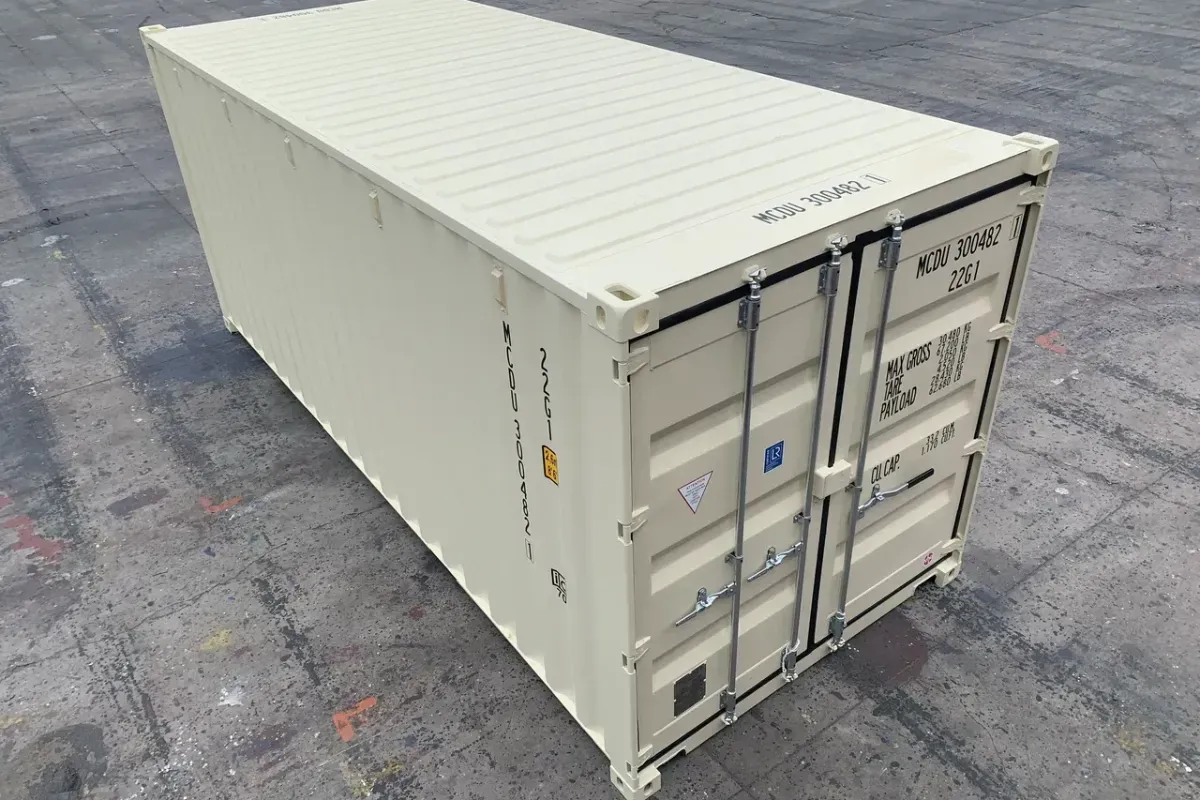
Container Hire Durham
Container hire in Durham suits temporary storage needs tied to construction, refurbishment, stock overflow, events, archives and seasonal equipment. The area includes the city centre, commercial yards around Dragonville and Belmont, business sites near Bowburn and Chester-le-Street, and rural locations across County Durham. Each site has different access limits, ground conditions and security needs, so the right container is not only about length and width. It is also about how the unit will be delivered, where it will sit, and how often it will be opened.
For many customers, hire is the practical option when the need is time limited or the layout may change. A unit can be placed on a project site, used while work is underway, then collected when the job ends. That is often easier than finding long-term yard space or paying to keep owned stock on site when it is no longer required. Acorn Containers can help match the container to the site rather than forcing the site to fit the container.
Durham access can vary sharply. Roads around the A1(M), A167 and A690 are useful for haulage, but older streets, tight gates, overhead cables and shared yards can limit the size of vehicle that can reach the placement point. In practical terms, that can decide whether a standard articulated lorry, a rigid vehicle or a lorry mounted crane is the right choice.
Choosing the right size and container type
Most hire decisions start with footprint, door access and what will go inside the unit. A container that looks large enough on paper can still be awkward if pallet height, shelving, racking or plant clearance has not been checked. Door opening size matters as much as external dimensions, because the load has to pass through the doors before the internal space becomes useful.
Common hire sizes
- 10ft container - useful where access is tight or the load is small and secure storage is needed for tools, records or hand equipment.
- 20ft container - the most common general hire choice, with an external size of about 6.06m long, 2.44m wide and 2.59m high. It suits tools, stock, furniture, archives and palletised goods.
- 40ft container - about 12.19m long, 2.44m wide and 2.59m high. It suits larger stockholding, bulk materials and long term site storage.
- High cube - similar length and width to a standard unit, but around 2.90m high. It is useful where volume matters more than floor area.
Door openings are smaller than the external dimensions, so check the largest item first. Standard doors are usually around 2.34m wide and 2.28m high. That is fine for most pallets and cartons, but some plant, bulk bags, long pipes or framed items will need a different plan.
For a closer look at common footprints, see 20ft container dimensions and uses and 40ft container options.
When a different container type is better
Standard dry storage containers are the default for hire because they are simple to place and easy to secure. If the goods need temperature control, a refrigerated container is the right class. If the load is awkward, overheight or needs top loading, an open top or flat rack may be more suitable than a standard box. Those choices are driven by the load, not by the site alone.
If you are comparing hire with purchase, or need a different spec for a long-term project, the Durham container sales page can help with that decision too: container sales in Durham.
Condition grades and what they mean in practice
Hire units are offered in different condition grades, and the grade should match the task. A container used for dry storage does not need the same cosmetic finish as a unit used for export or for a client facing site. The main point is to understand what the grade means in use, not just what it sounds like on a listing.
- One-trip means the container has made a single cargo journey from the factory, so wear is usually low and the floors, doors and seals are often in better condition.
- Wind and watertight means the unit keeps out weather. It is suitable for storage, but it may show visible wear and is not automatically export ready.
- Cargo worthy means the container is structurally sound for freight use and has passed a survey that supports shipping work.
- IICL is a detailed inspection standard used in some leasing and export contexts. It usually means stricter repair criteria and a more consistent finish.
- Refurbished means a used unit has been repaired, repainted or fitted out to improve function and appearance, but the level of wear can still vary.
The right grade depends on what will sit inside, how long the unit will stay on site and whether the container may later be used for export. A hire container for furniture, archive boxes or retail stock may only need to be wind and watertight. A unit that may be moved between countries needs a clearer structural history and valid certification.
CSC plate is the safety approval plate required for international transport. It shows that the unit has been built or inspected to the standards needed for global shipping.
Delivery, access and placement across Durham
Delivery is often the point where a good hire decision succeeds or fails. The vehicle must reach the site, unload safely and leave without damaging gates, surfacing or nearby property. In Durham, that may mean planning for narrow entrances in the city, restricted turning on shared industrial yards, or softer access routes on rural and construction sites.
Gross Vehicle Weight is the maximum legal weight of the vehicle and load combined. The government guide to Lorry Types and Weights guide is useful when checking whether the delivery route, bridge limits and site access can handle the vehicle selected for the job.
If access is straightforward, a standard delivery lorry can often place the container quickly. If the site is tighter, a rigid vehicle with a crane may be better. A HIAB is a lorry mounted crane that lifts the container from the vehicle and places it on the ground. It is often used where there is no separate lifting machine on site.
- Check gate width, turning room and overhead clearance before booking.
- Keep cars, skips and other obstacles clear of the placement area.
- Make sure the surface can take the vehicle weight and the container load.
- Choose a level base so the doors open and close without binding.
- Allow extra room for the vehicle to reverse or for the crane to work.
- Tell the supplier about power lines, trees, steep approaches and soft ground.
A concrete pad is ideal, but compacted stone or tarmac can also work if the ground is level and stable. On damp sites, a slight fall away from the doors helps drainage, but the unit still needs to sit level enough for the doors to seal properly. If the site changes later, a hired container can usually be repositioned more easily than a permanent structure.
More detail on planning the vehicle and placement can be found on the Durham container delivery page.
Hire process, lead times and ongoing support
The hire process should be simple and measurable. A clear specification avoids delays, especially where access is tight or where the site needs a lift off rather than a drop off. Standard 20ft dry storage units are usually the quickest to source. Special sizes, high cube units and specialist containers can take longer, and the lead time can stretch if the site needs a survey before delivery.
- Describe what you need to store, how often the container will be opened and how long it will stay on site.
- Confirm the size, condition grade and any special features such as lock boxes, vents or shelving requirements.
- Check access width, turning space, ground conditions and the delivery method needed for the site.
- Agree the delivery date, vehicle type and placement point so there are no surprises on the day.
- Inspect the container on arrival, checking the doors, floor, roof line, seals and locking points.
- During hire, keep the unit swept out, report damage early and avoid drilling, cutting or welding unless approved.
- When the hire ends, empty the unit fully, ensure it can be reached for collection and arrange uplift.
Ongoing support matters on active sites. A unit may need to be moved, exchanged for a larger size or checked after a period of rough weather. If the doors start to drag, the site has settled, or the storage requirement has changed, a hire arrangement can be adjusted without replacing the whole setup.
If the storage need changes during the project, Acorn Containers can help with re-siting, collection planning and unit swaps so the container keeps pace with the site rather than slowing it down.
Security, condensation and export compliance
Security on Durham sites
A steel container is secure against casual entry, but it still needs the right hardware and site controls. A lockbox or shroud helps protect the padlock from bolt cutters. Good lighting, CCTV, perimeter fencing and a sensible position on the site all improve security. High value goods should not be stored right against the doors where access is easiest. If the container is on a public facing plot, consider how the unit looks from the road and whether the site needs extra deterrents.
Condensation control
Condensation is common in steel containers because temperature changes create moisture inside the box. Durham weather can make this more noticeable during cold nights and damp periods. Vents help, but ventilation alone does not solve the problem. Keep goods dry before loading, leave a small air gap around the walls, and use pallets or dunnage to lift stock off the floor. Desiccant packs can help with paper, textiles and other moisture sensitive goods, but they work best as part of a wider storage plan.
- Do not load wet timber, plant or fabric unless you expect the extra moisture.
- Use sealed boxes for paperwork and small items that must stay dry.
- Check floor condition before storing absorbent stock.
- Open the doors periodically if the contents and site security allow it.
Export compliance
If the container may leave the UK or move into a shipping line operation, the paperwork matters as much as the steel. The container needs a valid CSC plate and the physical condition should match the declared freight use. The IMO sets the treaty framework for container safety and testing. A unit that is fine for storage may still need a separate check before export, especially if it has been modified, repaired or repainted while on hire.
When hire forms part of a wider logistics chain, freight liability should also be clear. The BIFA standard freight liability terms explain common terms used in UK forwarding and transport contracts. That is useful when a container is delivered, loaded, moved, stored and then handed to a carrier for onward movement.
If export use is possible, tell the supplier early. That allows the container condition, CSC status and documentation to be checked before delivery rather than after the unit is already on site.
Hire versus buy in Durham
Hire works best when the need is temporary, the layout may change or the unit is needed only for a known project. That includes site storage during construction, overflow stock for a retail operation, temporary archive space, event equipment, and short-term commercial relocations. The benefit is flexibility. The container can be installed, used and collected without long-term ownership decisions.
Buying can be better when the unit will stay in one place for a long period, needs custom fit out, or will be modified with shelving, insulation, electrics, personnel doors or specialist branding. Ownership also makes sense if the container will become part of a permanent yard layout or if the hire period would otherwise keep extending.
In practical terms, compare these points before deciding:
- Time on site - if the need is short term, hire usually fits better.
- Modification - if the unit needs major changes, purchase may be more suitable.
- Collection access - if the site will be busy later, owned storage may be harder to remove.
- Future use - if the container may move to another site, hire can be simpler.
- Condition preference - if appearance must stay consistent, one-trip or purchased units can give more control.
For customers who want to compare both options, the Durham container sales page provides a useful starting point: container sales in Durham. Acorn Containers can then match the container type, condition and delivery method to the site rather than treating every project the same.
FAQ
What is the most common container size for hire in Durham?
The 20ft container is usually the most common choice because it balances capacity, site footprint and delivery flexibility. It suits tools, archive boxes, general stock and many trade uses. If the yard is larger or the storage need is heavier, a 40ft container may be better.
Can a container be delivered to a tight site in Durham city?
Often yes, but the delivery method has to match the access. Narrow gates, parked vehicles, soft ground and overhead obstacles can all change the vehicle choice. A rigid vehicle with a lorry mounted crane is often easier on restricted sites than a larger artic, but the route and placement point still need checking first.
What ground does a hire container need?
A level, firm base is best. Concrete is ideal, but compacted stone, tarmac or other stable hardstanding can also work. Soft ground, steep slopes and uneven surfaces can cause the doors to stick, make the unit settle unevenly and create problems at collection time.
Is a hired container suitable for export use?
Only if the container has the correct certification and condition for freight. A storage grade unit is not automatically export ready. Check the CSC plate, structural condition and repair history before loading anything for international shipment.
How can condensation be reduced inside a hire container?
Keep goods dry before loading, leave air space around the contents, use pallets to keep stock off the floor and add desiccant packs where needed. Vents help, but they should be part of a wider storage plan. Regular checks are important in cold and damp weather.
Is it better to hire or buy a container for a long project?
If the project is temporary and the site plan may change, hire is usually simpler. If the unit will stay in one place for years or needs major modifications, buying may be more suitable. The right answer depends on access, duration, fit out and whether the container may later need to move.
