
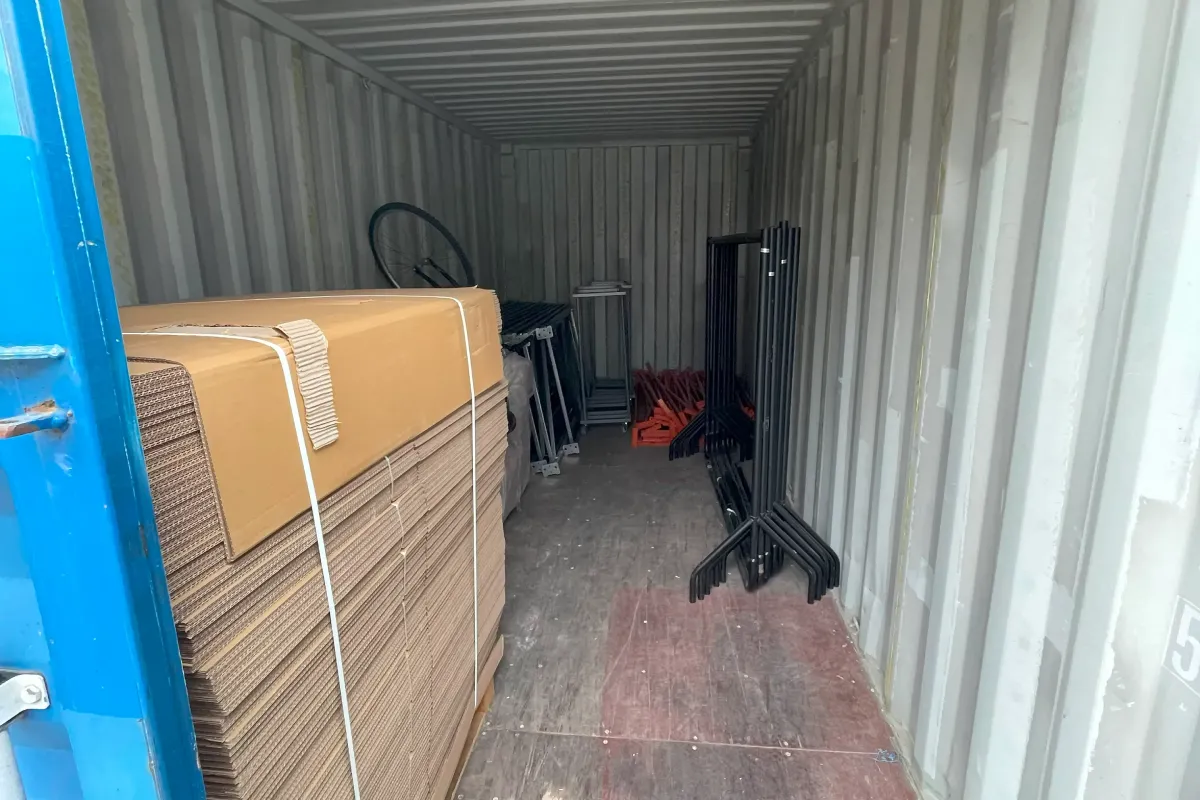
Farming Storage Middlesbrough
Farming storage in Middlesbrough needs to work on real sites, not just on paper. Yards on the edge of town can sit between rural ground, industrial estates, and port-linked traffic, so the right container has to suit both the load and the access. A good unit gives secure space for feed, tack, fencing, power tools, pumps, spares, PPE, and small machinery, while keeping stock out of wind, rain, and casual theft.
For some farms and contractors, the need is temporary. Harvest, lambing, machinery repair, or a yard clearance may justify container hire. For a permanent store, resale value and long service life often make container sales the better option. The right choice depends on how long the unit will stay on site, what will be stored inside, and whether the container needs to move again.
Middlesbrough also brings transport factors into the decision. Routes toward Teesport, the A66, the A19, and local industrial roads can mean more heavy vehicle traffic, tighter timings, and less room for error on delivery day. If the container is going onto a working farm, a compacted yard, drainage, and enough room for a crane truck or articulated vehicle matter as much as the container itself.
Choosing the right container size and type
Most farm storage needs are met by standard dry shipping containers. They are simple, lockable, weather-resistant, and easy to place on firm ground. The most common sizes are 20ft and 40ft. A 20ft unit is often the best fit for smaller yards and mixed storage, while a 40ft unit suits bulkier seasonal stock or larger machinery parts.
| Size | External dimensions | Typical farming uses | Access and loading notes |
|---|---|---|---|
| 20ft standard | About 6.06m long, 2.44m wide, 2.59m high | Feed bags, hand tools, pipework, fencing, small plant, parts storage | Works well where yard space is limited and door access is straightforward |
| 40ft standard | About 12.19m long, 2.44m wide, 2.59m high | Bulk seasonal overflow, larger machinery spares, palletised goods, wider stock rotation | Needs more turning room, more drop space, and a stronger loading plan |
| 40ft high cube | About 12.19m long, 2.44m wide, 2.89m high | Light but bulky items, stacked sacks, taller equipment, boxed stock | Useful where height is more important than footprint |
See the dedicated pages for a 20ft container or a 40ft container if you want to compare dimensions and use cases. A standard container door-opening is narrower than the outside shell, so check that a pallet truck, telehandler fork, or small forklift can get to the threshold before you commit to a unit size.
When a specialist container makes sense
Some farming jobs need a specialist type rather than a plain box. Open-top units suit awkward loads that are easier to drop in from above. Flat racks help with wide or irregular machinery. Refrigerated containers are used when product temperature has to stay controlled, though they are more relevant to chilled produce, seed conditioning, or supply chain work than to general yard storage. Choose the unit around the item, not the other way round.
Condition grades and what they mean in practice
Container condition matters because it affects doors, seals, floor strength, and how much maintenance is needed once the unit is on site. A sales or hire unit should be described in a way that tells you what it will do on day one, not just how it looks.
- One-trip means the container has usually made a single loaded journey from the factory after manufacture. It normally has straighter panels, better door seals, and less cosmetic wear.
- Cargo worthy means the unit has been inspected and is considered structurally sound for transport and general use. The structure, doors, floor, and corners should be serviceable.
- Wind and watertight means the container keeps out normal wind and rain. It can still show dents, rust patches, and paint wear, but the shell should remain sealed for storage.
- As-is means the container is sold in its present state. That may suit a parts store or a project unit, but it is usually not the best choice for important farm stock.
If a unit is being used for export or onward transport, condition becomes more than a cosmetic issue. Door rubber, floor condition, roof integrity, and frame straightness all matter. For farm storage on a permanent yard, a well maintained wind and watertight container is often enough. For frequent loading and unloading, one-trip or higher-grade cargo-worthy stock is usually easier to live with.
Hire versus buy for farm storage
Hire suits short and medium term needs. It is useful when storage demand changes with the season, when a yard is being rebuilt, or when a contractor needs temporary secure space close to work. Buying suits long-term storage, especially where the same container will stay in one place for years and may later be sold or relocated.
The practical differences are straightforward:
- Hire gives flexibility if the crop, livestock, or machinery cycle changes.
- Buying suits a fixed yard layout and long term storage plan.
- Hire units are often delivered quickly if stock is available and the site is ready.
- Purchased units can be selected for a specific grade, finish, and layout.
- Ownership can be better if you want to add shelving, vents, or internal fittings over time.
Acorn Containers can advise on both routes. The main question is whether the storage need is temporary overflow or a permanent part of the farm yard. If the unit may later move to another site, buying a good quality container can make sense because the asset remains with the business. If you only need it for lambing, harvest, or a building project, hire keeps the arrangement simpler.
Lead times are usually shortest for common stock sizes and standard dry containers. One-trip units, specialist colours, modified doors, and unusual dimensions can take longer. If you need storage before a busy period starts, order early enough to allow for site checks and delivery planning.
Delivery, access, and placement on Middlesbrough sites
Container delivery is where many farm storage plans are won or lost. The container may be perfect, but if the truck cannot reach the drop point, the site needs adjustment before delivery can happen. In Middlesbrough, this is especially important on mixed rural and industrial routes where heavy vehicles share roads with local traffic and where access may narrow close to the yard.
Read more about container delivery if you want to understand the vehicle and placement process in more detail. In general, the delivery method depends on the access available:
- HIAB or crane truck if the container needs to be lifted over an obstacle or positioned with limited manoeuvring room.
- Articulated vehicle placement if the site has a firm, level drop zone and enough room for the trailer to line up.
- Collection by lorry if a hire unit is going back and the site still allows safe loading.
Check the approach route before booking. Gateway width, overhead cables, tree branches, low roofs, parked machinery, and soft verges can stop delivery even when the unit itself is available. The site should also have enough room for the truck to stand while the container is lifted or slid into place. A 40ft container needs a much longer working area than a 20ft unit.
Ground conditions matter as much as access. A container should sit on level, compacted support such as concrete pads, sleepers, or compacted hardcore. Avoid muddy ground, fresh fills, and areas that collect standing water. If the site is open and exposed, especially on the outskirts of Teesside, plan for wind loading during placement and make sure the container is stable before it is stocked.
Road weight limits also need checking. The Government guide to lorry types and weights explains gross vehicle weight limits and axle configurations, which helps when deciding whether the chosen vehicle can legally and safely reach the site: Government guide to lorry types and weights.
Security, condensation, and routine maintenance
Farm storage often holds items that are easy to move and expensive to replace. A good container should therefore be secure enough to discourage quick theft and strong enough to keep its contents dry. Fit a lockbox or lock guard, use a high-security padlock, and place the doors where they are not exposed to casual view if the yard layout allows it.
Condensation is a common issue in steel containers. The shell cools overnight and warms during the day, which can cause moisture to form inside. To reduce this:
- Store dry goods only, or let wet items dry before loading.
- Use pallets or bearers so goods are not sitting on the floor.
- Leave airflow gaps around walls and roof.
- Fit vents if the unit is being used long term.
- Use desiccants where temperature swings are severe.
- Inspect the roof, door seals, and floor regularly.
Maintenance is simple but important. Keep hinges lubricated, check the locking gear, clear vegetation from the base, and make sure water can drain away from the unit. If the container is used for animal bedding, feed, seed, or parts storage, regular checks help prevent damp, pests, and corrosion from becoming a larger problem. A good hire or sales supplier should also be able to support you later if the unit needs moving, replacing, or regrading.
Export compliance and freight documentation
Not every farm storage container stays on the yard. Some businesses use containers to support export work, whether that means machinery, packaged produce, seed, or other freight moving through Teesside and beyond. In that case, compliance matters. The IMO CSC guidance is the official source for container safety requirements, and the CSC plate is the metal plate that shows a container has passed the required safety checks for international transport.
A container used for export should normally have:
- A readable CSC plate
- Sound corner castings and frame
- Working doors and seals
- Acceptable floor condition
- No major corrosion or structural damage
- Clean internal condition appropriate to the cargo
If a unit is moving within a freight chain, the paperwork also matters. BIFA standard freight liability terms explain how responsibility is set out between parties in freight work, which is useful when deciding who is responsible for damage, delay, or loss during handling and transport: BIFA freight liability terms.
For general farm storage, export compliance may not be needed every day. But if the same container is likely to shift from yard storage to shipment through port-linked logistics, it is safer to choose a unit that can support both uses rather than one that only works as a static store.
From enquiry to delivery or collection
The process should be straightforward when the details are clear. A sensible sequence is:
- Define what will be stored, including weight, height, and whether the goods need dry, secure, or temperature aware storage.
- Measure the available space, route width, overhead clearance, and ground condition at the drop point.
- Choose hire or purchase, then select the container size and condition grade.
- Confirm delivery method, access timings, and whether lifting equipment is needed on site.
- Prepare the ground with level support and a clear approach route.
- Arrange delivery, placement, and a final check of doors, locks, and position.
- If the container is hired, plan the collection route and ensure access is still available at the end of the term.
Good preparation reduces delays more than any other factor. If the site is near a busy road, an industrial estate, or a yard with limited turning space, take measurements before ordering. The right container can still fail if the vehicle cannot get where it needs to go. When the route, ground, and loading plan are all clear, delivery is usually a simple job.
For farms around Middlesbrough, that practical check is often the difference between a fast installation and a difficult second visit. Acorn Containers can help match the storage need to the available access, rather than forcing a standard unit into a poor site layout.
Frequently asked questions
What container size is best for farm storage in Middlesbrough?
A 20ft container suits most mixed farm storage because it fits smaller yards and still holds a useful amount of stock, tools, and parts. A 40ft unit is better when you need bulk seasonal overflow, larger machinery parts, or longer term storage with more room to organise goods.
Can a container be delivered to a field or remote yard?
Yes, but only if the route and ground are suitable. The vehicle needs a firm approach, enough turning room, and space to place the unit safely. Soft ground, narrow gateways, low branches, and overhead cables can make a field delivery unsuitable without preparation.
Should I hire or buy a container for farming storage?
Hire is best when the need is temporary, such as harvest or building work. Buy is better when the container will stay on site long-term and may be moved again later. The choice comes down to duration, site layout, and how much control you want over the unit.
How do you reduce condensation inside a farm storage container?
Keep goods dry, use pallets, leave airflow around the load, and check seals and roof condition regularly. Vents and desiccants can help on exposed sites. Avoid loading damp sacks, wet timber, or items that have not had time to dry.
Can a storage container be used for export work as well as farm storage?
Yes, if the unit meets the right condition and safety checks. For export use, it should have a valid CSC plate, sound structure, and suitable doors and flooring. If the container may later move into freight work, choose a grade that can support both storage and transport.
