
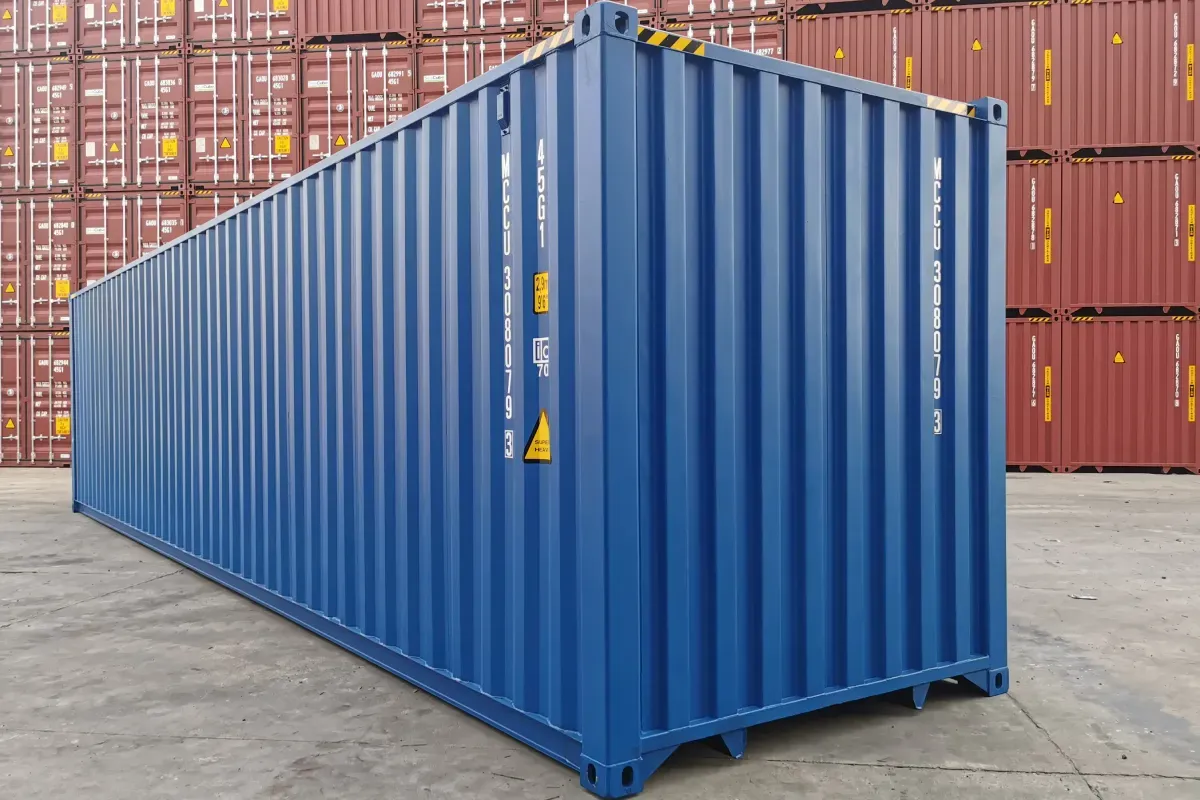
40ft Container Wolverhampton
A 40ft container suits Wolverhampton businesses and private sites that need a single large storage unit rather than several smaller boxes. It is often used for palletised stock, tools, engineering parts, retail overflow, site equipment, archives and longer items that do not fit comfortably in a 20ft unit.
In and around Wolverhampton, the best fit is often driven by site layout as much as by storage volume. Industrial yards near the M54, the Black Country Route, the A449 and the i54 area usually have better access for larger deliveries than tighter streets in residential parts of the city. That matters when you are choosing between a 40ft container, a smaller unit such as a 20ft container, or a different loading style altogether.
A standard 40ft container is about 12.19 metres long, 2.44 metres wide and 2.59 metres high externally. A high cube version is the same length and width but about 2.90 metres high. Internal dimensions are slightly smaller because of the wall and floor structure, so the usable space is always less than the external size suggests.
For practical planning, the long internal space is useful when you want:
- room for multiple pallet rows
- storage for long stock, timber or pipe
- clear aisle space for regular picking
- a single secure store with fewer handling movements
- headroom for shelving, racking or taller equipment in a high cube unit
If the use is temporary, the container can act as a clean, weather-resistant overspill store while a project runs. If the use is ongoing, it can become part of the site layout, provided the base, access and security are planned properly from the start.
Sizes, types and condition grades
The 40ft dry container is the most common choice for general storage. It has doors at one end, a steel frame, a timber floor and corner castings for lifting and stacking. That makes it suitable for ground-level storage, shipping and many site uses, but the long footprint means access planning matters more than with shorter units.
What to check before choosing the size
- Door opening - measure the widest and tallest item, not just the package size
- Internal width - enough for pallet layout, shelving and turning room
- Internal height - important for tall plant, stacked storage or bulk goods
- Length - useful when storing items that need to stay flat or straight
- Access pattern - frequent in-and-out use usually justifies a larger or better specified unit
In practical terms, a 40ft container can often hold around 25 Euro pallets on one level, depending on how they are packed and whether you need an aisle. That is useful for Wolverhampton firms in manufacturing, trade supply, automotive support, engineering and construction, where stock often arrives in palletised loads rather than loose cartons.
Container types that may suit the job
- Standard dry container - the usual choice for secure storage and general freight
- High cube container - better where extra height helps with racking or larger items
- Open-top container - useful if the load needs to be lifted in from above
- Flat rack - suited to wide, heavy or awkward loads that do not fit through doors, such as some plant and machinery
If the load is too tall for the door-opening, or if it needs crane loading from above, a different container type may be a better fit than a standard 40ft box. For example, open-top containers help with top loading, while flat racks are designed for irregular cargo that needs open-sided access.
Condition grades and what they mean in practice
A container grade should describe more than appearance. It should tell you how the unit has been inspected and how it will perform on site or in transit.
- One-trip - a container that has usually made one movement from the factory after manufacture. It is normally the best choice when you want a cleaner finish, better door seals and fewer cosmetic marks.
- Wind and watertight - a used container that has been repaired so it should keep out wind and rain. The term means weather protection, not a guarantee of new condition. It can still show dents, paint wear and prior repair marks.
- IICL - a stricter inspection standard used in container leasing and repair. It usually means better structural condition, tighter tolerances and less wear than a basic used unit.
Tare is the empty weight of the container, and payload is the maximum cargo weight it can carry within its design limits. Both matter if the unit will be transported by road or loaded with heavy equipment.
A CSC plate is the safety approval plate that shows the container has passed inspection for international transport. If the container will be used for export or ocean freight, this plate needs to be readable and valid.
Hire versus buy and how the order progresses
The right decision depends on how long the container will stay on site, how often it will be accessed and whether the unit needs modification. If the requirement is short-term or tied to a project, container hire is often the more practical route. If the unit will remain in place for the long-term, container sales may be the better fit.
When hire makes sense
- temporary storage during works or refurbishment
- uncertain end date for the project
- a need to return or exchange the unit later
- storage that may move between sites
- short term overflow for stock, tools or equipment
When buying makes more sense
- the container will stay in one place for years
- you want to add shelves, lighting, vents or partitions
- the site needs permanent secure storage
- you want to control the unit without a return date
- the container will support a business process, not just a temporary need
Lead times depend on stock, condition, delivery method and any preparation work. A standard unit that is already in the right grade can usually move faster than a container that needs repainting, fitting out or export documentation. In Wolverhampton, that timing can also depend on access windows around busy industrial roads and whether the delivery must avoid peak traffic on routes such as the A454, A449 or M54 corridor.
The usual process is straightforward:
- Measure the space, access route and intended use.
- Choose the size, condition grade and whether hire or purchase suits the project.
- Confirm delivery method, offload space and ground condition.
- Prepare the site with a firm, level base and clear access.
- Receive the container, inspect doors, floor and seals, then sign off the delivery.
If the storage need is still uncertain, it is often worth comparing the footprint of a 40ft unit with a smaller option such as a 20ft container. A smaller box may be easier to place in a tight yard or on a site with limited turning space.
Delivery, access and placement across Wolverhampton
Delivery is usually the point where a container order succeeds or fails. A 40ft unit is long enough to create access problems even when the site itself is large enough. The route from the road to the drop point matters just as much as the overall yard size.
For local work, container delivery often uses an articulated lorry, a hiab vehicle with a crane, or a side-loader. A hiab can lift the container clear of the trailer, while a side-loader can place it beside the vehicle if there is enough lateral space. The best method depends on site access, headroom, surface strength and whether the container must be placed behind a fence, near a building or along a boundary.
Before booking a delivery in Wolverhampton, check these points:
- gate width and turning space
- overhead cables, trees and canopies
- parked vehicles and street furniture
- weak ground, soft verges or recently filled areas
- low walls, posts or fencing that may restrict the swing of the lift
- clear room for the truck to approach and leave safely
On tight streets around older parts of the city or in yards with limited turning room, the final approach can be more difficult than on an open industrial estate. That is common around mixed-use areas where access roads were not designed for long vehicles. If the unit is going onto a business park or commercial yard, access is often easier, but the ground still needs to be checked.
A 40ft container should sit on a firm, level base. Concrete, asphalt or well compacted hardcore are the usual choices. The container sits on its corner castings, so the support needs to be even. If the ground is soft or uneven, the doors may twist and become hard to open. In that case, pads or ground beams may be needed to spread the load.
Placement should leave enough room to open both doors fully and to walk round the unit for inspection and maintenance. If possible, keep the doors away from standing water and position the container so rain runs away from the entrance. A small maintenance gap also helps with cleaning, repainting and checking seals.
Road transport also has legal limits. The official Lorry Types and Weights guide explains gross vehicle weight limits and vehicle classes. Those limits matter because the size of the container is only one part of the equation. The weight of the vehicle, the lift method and the route all need to be suitable for the booking.
For container delivery support in the city, see container delivery in Wolverhampton.
Security, condensation and routine maintenance
A 40ft container can be secure, but only if the full setup is considered. Strong steel walls are only part of the answer. The lock, base, sight lines and surrounding site all affect how safe the contents are.
Security points to plan
- use a lock box to protect the padlock from bolt cutters
- choose a heavy duty padlock and compatible locking bar
- keep the doors visible from the main working area where possible
- add site lighting if the container will be used after dark
- avoid stacking items in a way that blocks fast access to the doors
Security is not just about break-in resistance. It also includes how quickly the site team can access the container without damaging doors, seals or the floor. In busy yards, a clear access path helps reduce accidents and delays.
Condensation control
Condensation is common in steel containers because temperature changes cause moisture in the air to form on the inside surfaces. It is not always a sign of a leak. A container can be wind and watertight and still develop moisture if damp goods are stored inside or if the air cannot circulate.
Wind and watertight means the unit should keep out rain and wind-driven water, but it does not mean the interior stays dry in all conditions. For paper stock, furniture, textiles, electrical items or archived records, reduce moisture risk by using pallets, leaving a gap from the walls and roof, and avoiding the storage of wet items.
Useful controls include:
- desiccant bags or moisture absorbers
- ventilation where appropriate
- pallets instead of direct floor contact
- regular opening and airing if the contents allow it
- insulated lining or dehumidification for sensitive goods
Wolverhampton weather means the container will see cold, damp periods in winter and warm, humid spells in summer. Those changes can create condensation on the ceiling and door area, especially when the contents themselves hold moisture. If the unit will store sensitive stock for a long period, fit-out options should be considered before delivery.
Routine maintenance
- check door seals after heavy rain
- keep hinges and locking gear free of dirt
- inspect the floor for punctures or soft spots
- touch up paint damage to slow surface corrosion
- make sure drainage does not build up around the base
For hire units, report damage, misaligned doors or settlement quickly so the unit can be adjusted or replaced. For purchased containers, a regular inspection schedule helps preserve usability and resale value.
Export compliance, documentation and aftercare
If the container will be used for export or any form of international transport, compliance matters from the start. The most important check is the CSC plate, which is the safety approval plate required for international container use. Official information on the treaty and testing framework is available through the International Maritime Organisation.
A container intended for export should have clean, readable identification markings, serviceable doors, sound corner castings and a current structural approval status. If the box is older or has been repaired, make sure the condition still matches the shipping line or freight forwarder requirement before cargo is booked.
If you are arranging onward movement, freight liability terms are worth checking early. Standardised terms help define who is responsible for loss, delay or damage during transport. BIFA provides useful guidance on this through its freight liability material at BIFA. That is especially useful when a container is being handed between a site, a haulier and a shipping line.
Aftercare should not be an afterthought. Once the container is in place, the site should check the base, doors and seals after the first delivery and again after the first hard weather. If the container is being used for storage rather than export, it may still need repositioning, extra vents, shelves, repainting or a change of lock arrangement as the use develops.
Acorn Containers can support that ongoing part of the job with hire, sale and delivery planning, plus later changes if the storage requirement moves. That is useful on Wolverhampton sites where warehouse space, yard layout or project timing can change quickly.
FAQ
Is a 40ft container suitable for a Wolverhampton industrial yard?
Yes, provided the yard has enough access, a firm level base and room for the delivery vehicle to unload. A 40ft container works well on commercial and industrial sites where long storage space is needed for pallets, parts or equipment.
Can a 40ft container be delivered to a tight site in Wolverhampton?
Sometimes, but the delivery method needs to match the site. A hiab or side-loader may help if there is no crane access, but you still need clear route width, safe overhead clearance and a stable drop area. If access is limited, it is worth checking the route before confirming the booking.
Should I hire or buy a 40ft container?
Hire is usually better for temporary storage, projects with a fixed end date or sites that may change. Buying is usually better when the unit will stay in place long-term, needs modification or will be part of normal business operations.
What does wind and watertight mean?
It means the container should keep out wind and rain, but it may still show signs of use such as dents, corrosion or paint wear. It is suitable for many storage jobs, but it is not the same as a new or export-ready container.
Do I need planning permission for a container in Wolverhampton?
It depends on where the container will sit, how long it will stay there and how the site is used. Private land, temporary storage and industrial locations may be straightforward, but local rules, lease terms and fire access still need checking. For site-specific guidance, contact the local council or the landowner before installation.
What should I check before the container arrives?
Confirm the access route, gate width, overhead clearance, ground condition and final position. Make sure the site is level, the delivery truck can approach safely and the doors will open fully once the unit is in place.
